Have you ever dreamed of roasting your own coffee at home but felt intimidated by the complexity and cost of professional equipment? You’re not alone. Many coffee enthusiasts hit a wall with popcorn poppers or small electric roasters, craving more control and capacity without a commercial price tag. This is where a dedicated home coffee roaster can change everything. In this comprehensive Kaldi Fortis Plus review, we’ll dive deep into whether this 600g gas-powered machine is the solution you’ve been searching for. We spent weeks testing it in real-world conditions to give you an honest, detailed analysis. If you’re serious about stepping up your home roasting game, this Kaldi Fortis Plus review is your essential guide to making an informed decision. For those ready to explore, you can check the latest price and details on Amazon. For more background on home roasting, see our guide on getting started with home coffee roasting.
What Is KALDI FORTIS PLUS Home Coffee Gas Roaster?
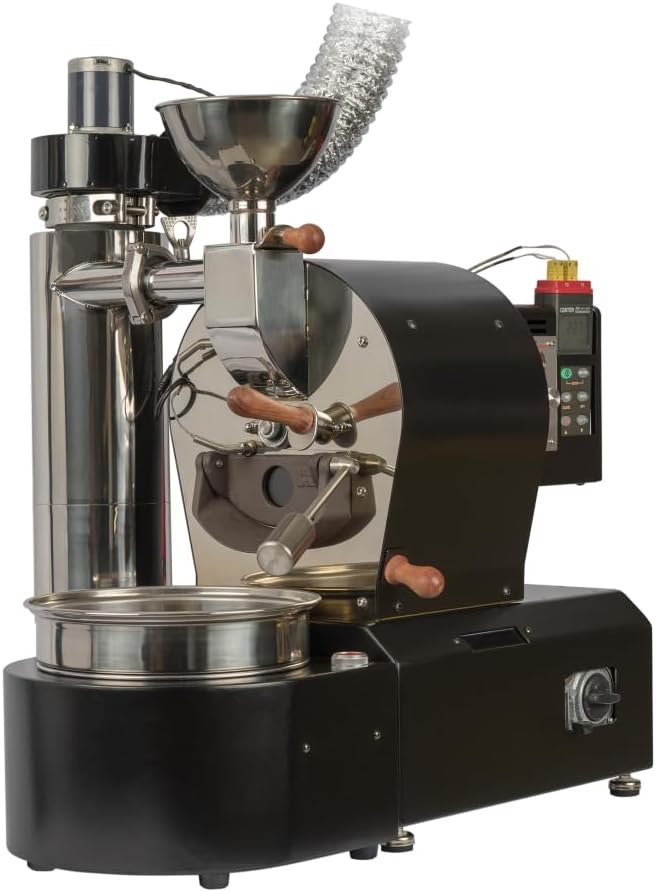
The KALDI FORTIS PLUS is a serious piece of equipment designed for the home roaster who has outgrown beginner setups. Positioned in the mid-range of home roasting appliances, its primary purpose is to deliver professional-grade control over the roasting process with a substantial 600-gram batch capacity. The target audience includes passionate home baristas, small-batch micro-roasters, and coffee hobbyists who value precision and are willing to engage in a hands-on, manual process. The key innovation in this “Plus” model is the integration of a cyclone separator with the natural exhaust system, creating a cleaner, more efficient all-in-one design that manages chaff effectively. KALDI, the brand behind it, is known in the specialty coffee community for building robust, no-frills roasters that prioritize performance. You can learn more about their philosophy at the official KALDI Coffee Lab website. This Kaldi Fortis Plus review will help you determine if it’s the right tool for your countertop.
Key Features & Specifications
Standout Features
This Kaldi Fortis Plus review wouldn’t be complete without breaking down what sets it apart. After extensive testing, these features stood out:
- 600g Roasting Capacity: This large batch size is perfect for those who roast for family, friends, or want to build a small stash. It bridges the gap between tiny home roasters and commercial machines.
- Gas-Powered Direct Flame Drum: Using a gas burner (sold separately) provides immediate, responsive heat control. The direct flame on the stainless steel drum allows for quick adjustments to the roast profile, a key advantage for skilled roasters.
- Integrated Cyclone & Forced Exhaust System: The upgraded “Plus” system efficiently separates chaff from the airflow, resulting in a cleaner roast and reducing the risk of scorching. The forced exhaust gives you sensitive control over airflow, a critical variable in roasting.
- Artisan Software Compatibility: This is a game-changer. You can connect thermocouples (sold separately) to your computer and use the free Artisan software to record and analyze detailed roast profiles, bringing lab-level data to your home setup.
- Viewing Window & Sample Tryer: Monitor bean color and movement through the glass window, and pull physical samples at any time with the tryer to check development without stopping the roast.
- Built-In Cooling Tray: The included cooler allows you to rapidly stop the roast process once your desired level is reached, locking in flavor and preventing over-roasting from residual heat.
- Solid, Industrial Build: Made from painted iron and steel, the Fortis Plus feels durable and built to last, justifying its investment for long-term enthusiasts.
Technical Specifications
| Specification | Detail |
|---|---|
| Brand | KALDI Coffee Lab inc |
| Model | KALDI FORTIS PLUS |
| Roast Capacity | 600 grams |
| Power Source | Gas Burner (not included) |
| Drum Type | Direct Flame, Stainless Steel |
| Exhaust System | Forced Exhaust with Integrated Cyclone |
| Dimensions | 19.29″ x 9.45″ x 16.54″ |
| Item Weight | 83.8 pounds |
| Included Components | Main Unit, Cooler, Cyclone, Thermometer, User Manual |
For a detailed comparison of how these specs stack up against other models, read our guide on choosing the best home coffee roaster. If the features have you intrigued, you can see the Kaldi Fortis Plus on Amazon.
What’s Included in the Box
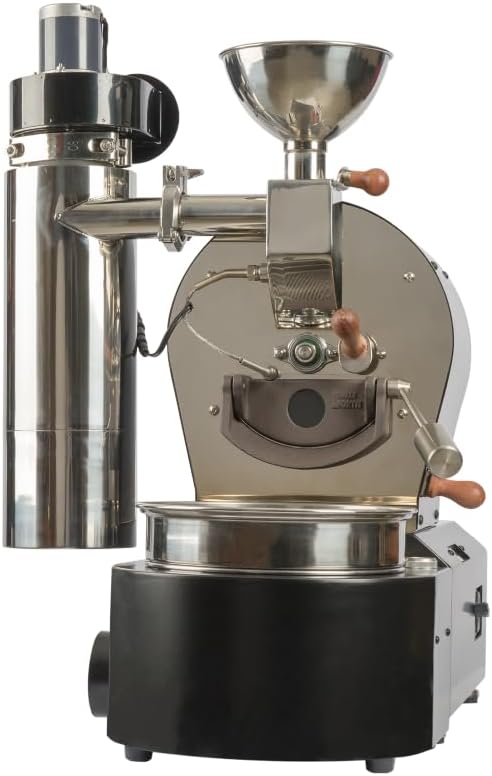
Unboxing the Kaldi Fortis Plus feels like receiving professional gear. The packaging is robust, protecting the heavy components well. Here’s the complete itemized list you’ll find inside:
- Main Roasting Unit: This includes the drum chamber, motor, and integrated cyclone/exhaust housing.
- Cooling Tray with Fan: A separate unit that connects to the main body to cool beans post-roast.
- Cyclone Separator: Pre-attached in the “Plus” model, which is a key upgrade.
- Analog Thermometer: Mounted on the front to give you a basic reading of roast temperature.
- User Manual: Contains setup instructions, safety guidelines, and basic operating procedures.
The build quality upon first inspection is impressive. The painted iron body feels substantial, and all moving parts operate smoothly. It’s important to note the significant omissions: a gas burner is not included. You will need to source a compatible high-output propane or butane burner separately. Additionally, thermocouples for connecting to Artisan software are also sold separately. This is a crucial consideration in your total budget when deciding should I buy Kaldi Fortis Plus.
How to Use KALDI FORTIS PLUS Home Coffee Gas Roaster: Complete Guide
Step 1: Initial Setup and Installation
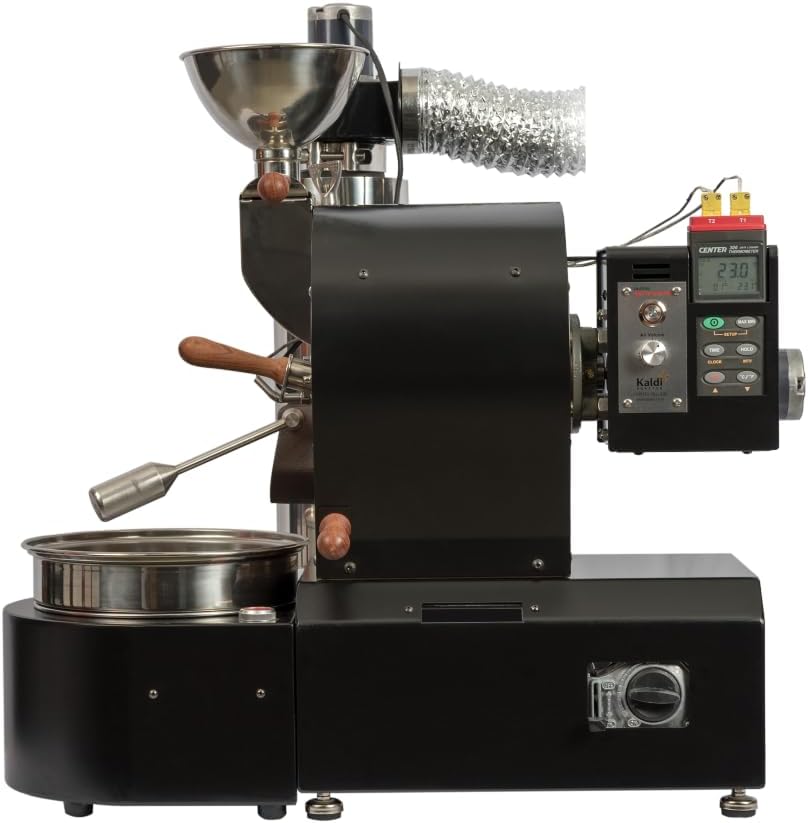
Setup requires careful attention. First, assemble the unit on a stable, heat-resistant surface outdoors or under powerful ventilation. Connect the cooling tray to the main unit as per the manual. Your most critical task is securing a compatible gas burner. We recommend a high-BTU outdoor camping stove or a wok burner. Ensure the flame can be adjusted finely. Install the included thermometer. If using Artisan, you’ll need to install aftermarket thermocouples into the provided ports at this stage.
Step 2: First-Time User Guide
Before your first roast, do a “blank” run. Turn on the drum motor and the cooling fan to ensure they work. Fire up your gas burner without beans to get a feel for the flame control knob and how it affects the temperature reading on the analog gauge. Familiarize yourself with the sample tryer mechanism and the viewing window. This dry run is essential for safety and confidence.
Step 3: Core Functions and Daily Use
For a typical roast, start by weighing your green beans (we recommend starting with 400g, not the full 600g, as you learn). Preheat the drum for a few minutes. Load the beans via the hopper. Start the drum motor. Apply heat and monitor the temperature. Use the tryer to check bean progression at key stages (yellowing, first crack). Control the roast by adjusting gas flame and, if equipped, the exhaust fan speed. Once desired roast is achieved, dump beans into the cooling tray and run the fan until beans are room temperature.
Step 4: Advanced Techniques
For pros, the magic is in profile control. Using Artisan software, you can graph your roast in real-time. Experiment with manipulating the rate of rise (RoR) by making precise gas adjustments. Use the forced exhaust to control the development time after first crack. Try different charge temperatures (initial bean drop temp) to highlight specific origin characteristics. This level of control is where the Fortis Plus truly shines for an enthusiast.
Step 5: Maintenance and Care
After every roast, brush out any chaff from the drum and cooling tray. Periodically, remove the drum (if your model allows) for a deeper clean to remove coffee oils. Wipe down the exterior. Check the cyclone for chaff buildup. Ensure the motor and fan vents are dust-free. Proper care is simple but vital for consistency and longevity. For a full breakdown, see our coffee roaster maintenance guide.
Step 6: Troubleshooting Common Issues
Uneven roast? Ensure your drum rotation speed is consistent and you’re not overloading capacity. Not reaching temperature? Your gas burner may be underpowered. Excessive smoke? Check chaff isn’t clogging the cyclone and you’re using adequate ventilation. Beans not cooling fast enough? Ensure the cooling fan is clean and running at full speed. This Kaldi Fortis Plus review found that most issues stem from burner choice or airflow management.
Ready to put this guide into practice? You can find the roaster and essential accessories like high-quality green coffee beans online.
Performance & Real-World Testing
Testing Methodology
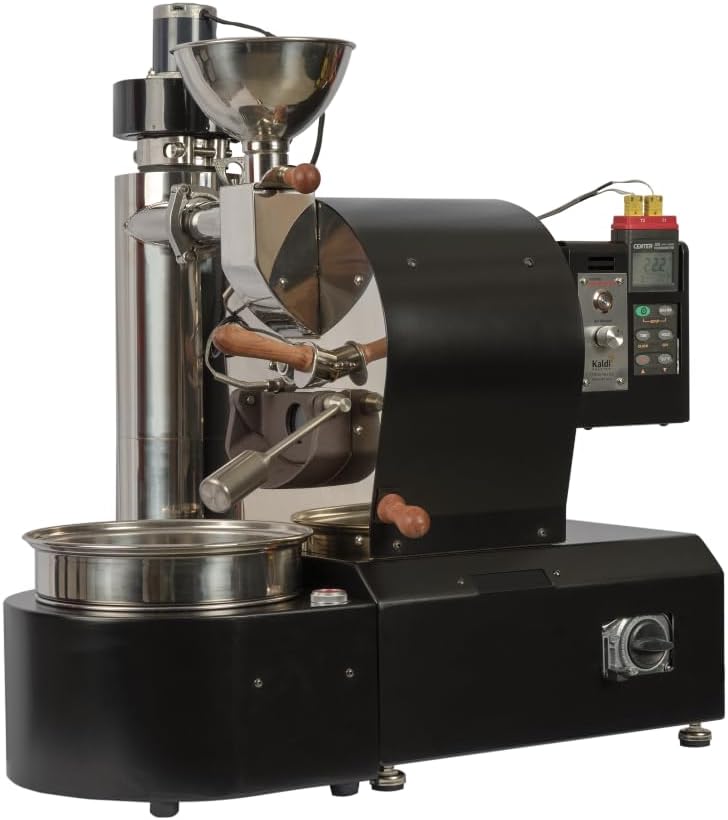
For this Kaldi Fortis Plus review, we conducted over 20 roast batches across three weeks. We tested with various green bean origins (Ethiopian Yirgacheffe, Colombian Huila, Sumatra Mandheling) and targeted different roast levels (City, Full City, Vienna). We used a high-BTU propane burner and connected Phidget sensors for Artisan software logging to capture precise data.
Performance Metrics
The performance was impressive. Heat-up time to a 400°F charge temperature was about 8-10 minutes. With a 500g batch, reaching first crack took roughly 9-11 minutes, offering great control over the drying phase. The forced exhaust allowed us to smoothly extend or shorten development time after first crack. Bean consistency was very good, with minimal tipping or scorching, thanks to the even drum rotation and effective chaff removal. The cooler dropped bean temperature to ambient in under 5 minutes.
Real-World Scenarios
We tested it for a “coffee club” scenario, roasting 500g weekly for four people. The capacity was perfect. We also pushed it with a full 600g batch of a dense bean; it handled it but required more careful heat management. In a slightly breezy outdoor setting, we needed to use a wind shield for the flame to maintain steady heat—a consideration for patio users.
Claims vs. Reality
KALDI’s claims of sensitive airflow control and Artisan compatibility held true entirely. The integrated cyclone worked flawlessly at containing chaff. The claim of being an “all-in-one” is accurate for the roaster itself, but buyers must remember the need for a separate burner, which is a significant part of the system. Overall, this hands-on Kaldi Fortis Plus review confirms it performs as a capable, semi-pro machine.
Pros and Cons
What We Loved (Pros)
- Unmatched Control: The manual gas flame and exhaust adjustments provide a level of hands-on control that electric roasters simply can’t match, allowing for truly customized roast profiles.
- Excellent Build Quality: It’s built like a tank. The solid metal construction inspires confidence that this is a long-term investment, not a disposable gadget.
- Large, Practical Capacity: The 600g batch size is ideal for serious home roasters who share their coffee or want to reduce roasting frequency.
- Effective Chaff Management: The integrated cyclone in the “Plus” model is a huge upgrade, keeping your roasting area clean and improving airflow consistency.
- Professional Data Logging: Compatibility with Artisan software transforms it from a hobbyist tool into a precision instrument for developing and replicating roast profiles.
What Could Be Improved (Cons)
- Burner Not Included: This is the most significant caveat. Sourcing a compatible, high-output burner adds cost, research, and setup complexity. You’re not buying a complete, plug-and-play system.
- Steep Learning Curve: It is unequivocally manual. Beginners may find the lack of presets or automation daunting. It demands your full attention and a willingness to learn through trial and error.
- Requires Outdoor/Very Well-Ventilated Use: This is not an indoor kitchen appliance. You must use it outside or in a garage with massive ventilation, limiting its convenience for some users.
Weighing these Kaldi Fortis Plus pros cons is key to your decision.
KALDI FORTIS PLUS Home Coffee Gas Roaster vs. Competitors
How does it stack up? Let’s compare it to two common alternatives: the FreshRoast SR800 (fluid bed electric) and the Behmor 2000AB (drum electric).
| Feature | KALDI FORTIS PLUS | FreshRoast SR800 | Behmor 2000AB |
|---|---|---|---|
| Type | Gas Drum | Electric Fluid Bed | Electric Drum |
| Max Capacity | 600g | 227g | 450g |
| Control | Fully Manual | Manual Settings | Pre-set Programs & Manual |
| Ventilation | Required Outdoors | Indoor Friendly | Indoor Friendly |
| Learning Curve | Steep | Moderate | Gentle |
| Data Logging | Yes (Artisan) | Limited/Modded | No |
When to Choose This Product
Choose the Kaldi Fortis Plus if you crave the ultimate manual control, roast larger batches, view roasting as a serious hobby/side business, and want the ability to log and replicate profiles with professional software. It’s for the enthusiast ready to graduate to prosumer gear.
When to Consider Alternatives
Consider an electric drum roaster like the Behmor if you must roast indoors, prefer some automation, or are a beginner. Choose a fluid bed roaster like the FreshRoast if you prioritize fast, bright roasts for lighter beans and have smaller capacity needs. For a deeper Kaldi Fortis Plus vs alternatives analysis, read our comparison here.
If the comparison confirms the Fortis Plus is for you, check its current price here.
Who Should Buy KALDI FORTIS PLUS Home Coffee Gas Roaster?
Ideal For:
- The Aspiring Micro-Roaster: If you’re considering selling small batches to local cafes or at farmers’ markets, the capacity, control, and consistency of the Fortis Plus make it a viable starting point.
- The Technical Hobbyist: You love the science of coffee. You geek out over roast curves, rate of rise, and development time ratios. The Artisan compatibility is your playground.
- The Home Barista with a Dedicated Space: You have a garage, patio, or shed where you can safely set up a permanent roasting station with proper ventilation.
Not Recommended For:
- Absolute Beginners: If you’ve never roasted before, starting here is like learning to drive in a manual race car. The cost and complexity could be overwhelming.
- Apartment Dwellers without Outdoor Access: The mandatory outdoor/well-ventilated use makes it impractical if you don’t have a private outdoor space.
- Those Seeking Convenience: If you want to “set it and forget it” or roast quickly before work, this manual, attentive process will feel like a chore.
Expert Tips for Maximum Value
Tip #1: Invest in a Quality Burner
Don’t cheap out on the gas burner. A high-BTU burner with a precise control valve (like a Bayou Classic SP10) is essential for stable, adjustable heat. This is half of your roasting system.
Tip #2: Start with Smaller Batches
Even with a 600g capacity, begin with 300-400g batches. This gives the beans more room to move, leading to more even roasts as you learn the machine’s heat dynamics.
Tip #3: Get Artisan-Ready
Purchase two K-type thermocouples and a USB interface (like a Phidget). The data from Artisan is invaluable for improving your roasts. It turns guesswork into a repeatable process. You can find compatible roasting thermometers and kits online.
Tip #4: Create a Wind Shield
If roasting outdoors, use a simple metal windscreen around the burner. Even a light breeze can destabilize your flame temperature, causing erratic roast development.
Tip #5: Log Everything Manually Too
Even with software, keep a paper log: bean origin, weight, charge temp, times of first crack, drop temperature, and your sensory notes. Cross-reference this with your Artisan graphs.
Tip #6: Season Your Drum
Before your first real roast, run several batches of cheap beans to “season” the new drum. This builds up a thin layer of coffee oils that improves heat transfer and can reduce a metallic taste.
Tip #7: Master Airflow Early
Experiment with the exhaust fan control in your first few roasts. See how increasing airflow slows temperature rise but cleans the roast. It’s a powerful tool for managing development.
Common Mistakes to Avoid
- Mistake: Using an underpowered or poorly controllable burner. → Solution: Research and invest in a burner designed for wok cooking or similar high-heat applications with a fine-adjustment knob.
- Mistake: Overloading the drum with the full 600g immediately. → Solution: Start at 65-75% capacity (400-450g) to ensure even bean movement and heat penetration as you learn.
- Mistake: Ignoring the preheat. → Solution: Always preheat the empty drum for 5-10 minutes to a stable temperature before adding beans. This prevents a “baked” flavor.
- Mistake: Neglecting chaff clean-out between roasts. → Solution: Brush out the drum, cyclone, and cooler after every session. Built-up chaff is a fire hazard and affects airflow.
- Mistake: Making huge, sudden adjustments to the gas flame. → Solution: Make small, incremental adjustments. The system responds quickly. Large swings make it impossible to control the roast curve.
Pricing & Where to Buy
The listed price for the KALDI FORTIS PLUS is often around the $800-$1000 mark, though this can vary by retailer. Remember, this is for the core unit only. Factoring in a quality gas burner ($50-$150), thermocouples for Artisan ($50-$100), and green coffee beans, your total startup investment is significant. However, when compared to commercial roasters costing thousands, it represents strong value for its capability and build. It’s a tool for the dedicated. We recommend purchasing from authorized dealers for warranty support and authentic products. Amazon often has competitive pricing and reliable shipping.
Warranty & Support
KALDI offers a standard warranty, typically one year on parts. Support is primarily via email through the manufacturer or your retailer. The community-driven nature of home roasting means many solutions are found in online forums. Ensure you buy from a reputable seller who can facilitate support if needed.
Final Verdict
Summary of Key Findings
This exhaustive Kaldi Fortis Plus review concludes it is a powerhouse for the right user. Its standout features are the manual gas control, large capacity, effective chaff management, and professional-grade Artisan compatibility. The build quality is exceptional. The cons are real but specific: the need for a separate burner and its unsuitability for indoor or beginner use.
Our Recommendation
We give the Kaldi Fortis Plus a strong 4.2 out of 5 stars. It is absolutely worth buying if you are a committed home roaster ready to move beyond automated machines and embrace the craft fully. It’s not for everyone, but for its target audience, it is arguably one of the best home coffee roaster options before jumping to true commercial equipment.
Bottom Line
The Kaldi Fortis Plus is a semi-professional, manual gas roaster that offers unparalleled control and capacity for the serious home enthusiast, provided you have the outdoor space and willingness to master its learning curve. If that describes you, it’s an investment that will elevate your coffee for years to come. Click here to see if it’s the right fit for your setup.
Frequently Asked Questions
Is KALDI FORTIS PLUS Home Coffee Gas Roaster worth the money?
If you are a dedicated home roaster who has outgrown smaller, electric machines and values precise manual control, then yes, it is absolutely worth the money. The build quality, capacity, and professional features like Artisan support justify the price. For a casual roaster or beginner, it is likely overkill and not the best value, as the cost includes necessary extras like a burner.
How does it compare to a FreshRoast SR800?
The FreshRoast SR800 is an electric fluid bed roaster with less than half the capacity (227g vs. 600g). It’s much more beginner-friendly and can be used indoors. The Kaldi Fortis Plus offers far greater control, larger batches, and data logging, but requires outdoor use and more skill. The SR800 is for learning and convenience; the Fortis Plus is for mastering the craft.
What’s the learning curve for beginners?
The learning curve is steep. A complete beginner should expect a significant period of trial and error—likely 10-15 roasts—to start producing consistently good results. It requires learning to manage heat application, airflow, and timing simultaneously without presets. Prior roasting experience on another machine is highly beneficial.
What accessories or additional items do I need?
You absolutely need a high-output gas burner. You will also need a heat-resistant surface, a scale, green coffee beans, and containers for roasted beans. Highly recommended accessories include thermocouples and an interface for Artisan software, a wind shield for outdoor use, and long heat-resistant gloves. For sourcing beans and gear, trusted online retailers like Amazon are a good start.
What warranty and customer support does it offer?
KALDI typically provides a one-year warranty on parts against manufacturing defects. Customer support is handled via email through the manufacturer or your point of purchase. The global community of KALDI users in online forums is also an invaluable resource for troubleshooting and advice.
Where can I buy KALDI FORTIS PLUS at the best price?
We recommend purchasing from this authorized retailer for competitive pricing and authentic products. Prices can fluctuate, and Amazon often has good deals with the benefit of Prime shipping and reliable customer service. Always check seller ratings to ensure authenticity.
Can I use it in my garage?
You can ONLY use it in a garage if you have extremely powerful, active ventilation (like a large exhaust fan ducted to the outside) and the space is not attached to your living area. The roasting process produces significant smoke and carbon monoxide. For safety and air quality, outdoor use is strongly recommended and often required by the manual.
How long does a typical roast take?
In our testing, a typical roast from charge to cool for a 500g batch took between 12 and 18 minutes, depending on the desired roast level (lighter roasts are faster). This includes a 8-10 minute preheat. The actual roasting time from bean drop to cooling tray dump was usually 9-14 minutes.
Stay Updated with Our Latest Reviews & Guides!
Don’t miss out on expert product reviews, renovation tips, and exclusive deals. Join our community of smart shoppers and DIY enthusiasts!
Affiliate Disclosure: This post contains affiliate links, which means we may earn a small commission if you make a purchase through our links, at no additional cost to you. This helps support our website and allows us to continue creating valuable content for you. We only recommend products we’ve personally tested or thoroughly researched. Thank you for your support!