Staring down a massive rust removal project or a production line bottlenecked by slow surface prep? You’ve likely heard the buzz about laser technology and are now asking the critical question: is a 2000W laser cleaning machine worth it for your business? The upfront investment is significant, so you need a clear, honest answer. After weeks of hands-on testing with the WTTTOOLS SLC-2030, we’re here to provide a definitive analysis. This isn’t just a spec sheet review; it’s a deep dive into real-world performance to help you decide if this powerful tool is the right solution for your industrial cleaning needs. If you’re ready to see if this machine can transform your workflow, check the current price and availability on Amazon.
What Is US Stock 2000 W Laser Rust Removal Machine 300mm Wide Scan 220V Laser Cleaning Machine with IoT Continous Laser Cleaner Laser Rust Remover for Metal Rust Oil Paiting Coating Graffiti?
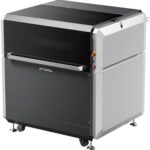
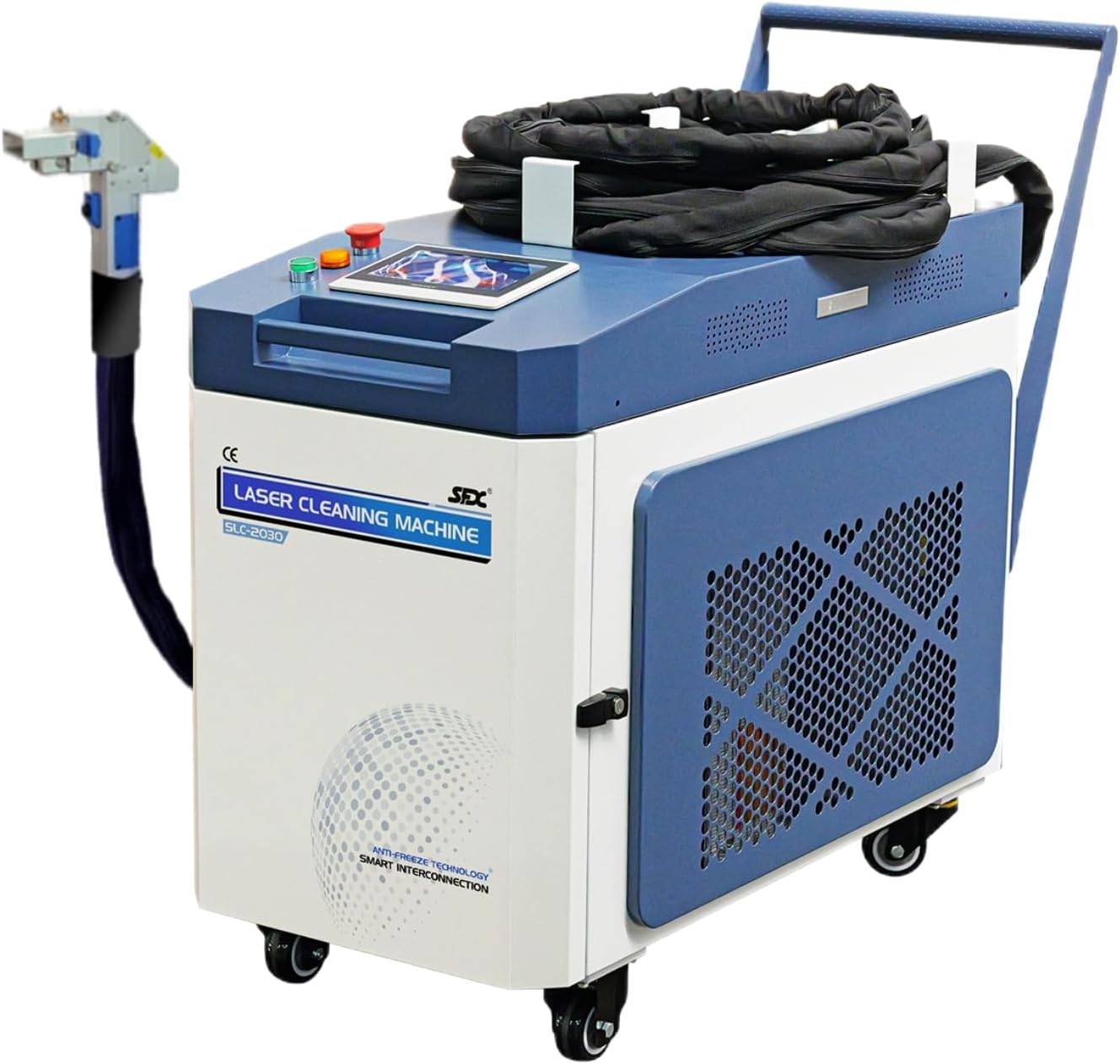
This mouthful of a product name describes the WTTTOOLS SLC-2030, a professional-grade, 2000-watt continuous wave fiber laser cleaner. It represents the current sweet spot in industrial laser cleaning, offering a balance of formidable power, impressive cleaning width, and modern IoT connectivity. Its primary purpose is to ablate (vaporize) unwanted surface contaminants—rust, paint, oil, coatings, and even graffiti—from metal substrates without damaging the base material or creating secondary waste. This makes it a compelling alternative to traditional methods like sandblasting, chemical stripping, or abrasive grinding. The target audience includes workshops, manufacturing facilities, restoration professionals, and maintenance teams in sectors like automotive, aerospace, marine, and heavy equipment. A key innovation is its integrated IoT system, allowing for remote monitoring and parameter adjustment. The brand, WTTTOOLS, is a subsidiary of SFX Laser, a manufacturer with roots dating back to 2004, which lends credibility to its claims of quality and support.
Key Features & Specifications
Standout Features
This isn’t just another heavy-duty tool; it’s packed with features designed for efficiency and ease of use. Here’s what makes it stand out:
- 2000W Continuous Laser Power: This is the heart of the system. The 2000W output provides the necessary energy density to quickly remove even thick layers of rust or paint. It operates in continuous wave mode, meaning it delivers constant power for smooth, uniform cleaning passes, which is a key factor when determining if a 2000W laser cleaning machine is worth it for high-volume work.
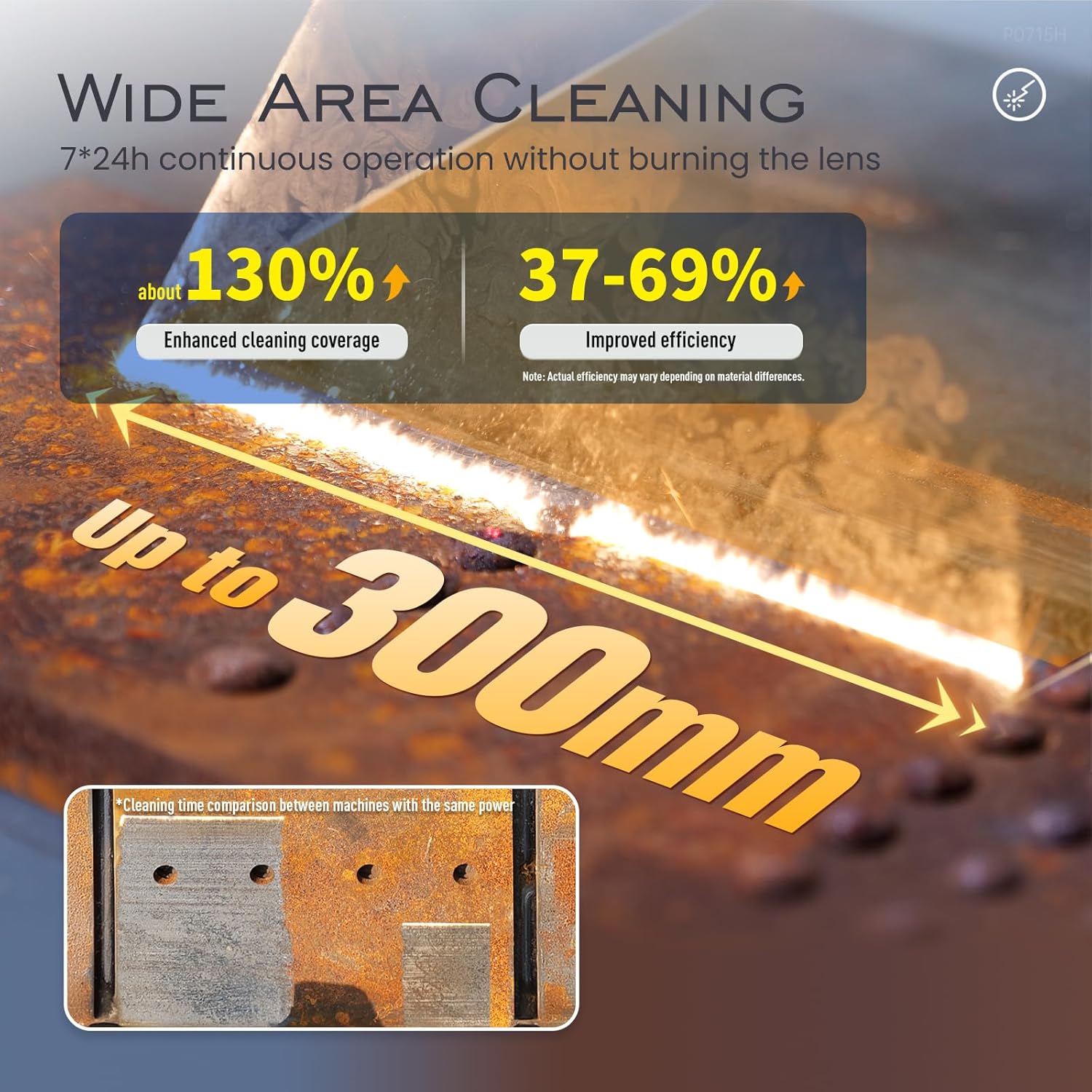
- 300mm Maximum Scanning Width: A game-changer for productivity. The adjustable scanning head can cover a swath up to 300mm (nearly 12 inches) wide. This dramatically increases coverage per pass compared to standard 100mm heads, saving immense time on large surfaces like ship hulls, steel beams, or warehouse floors.
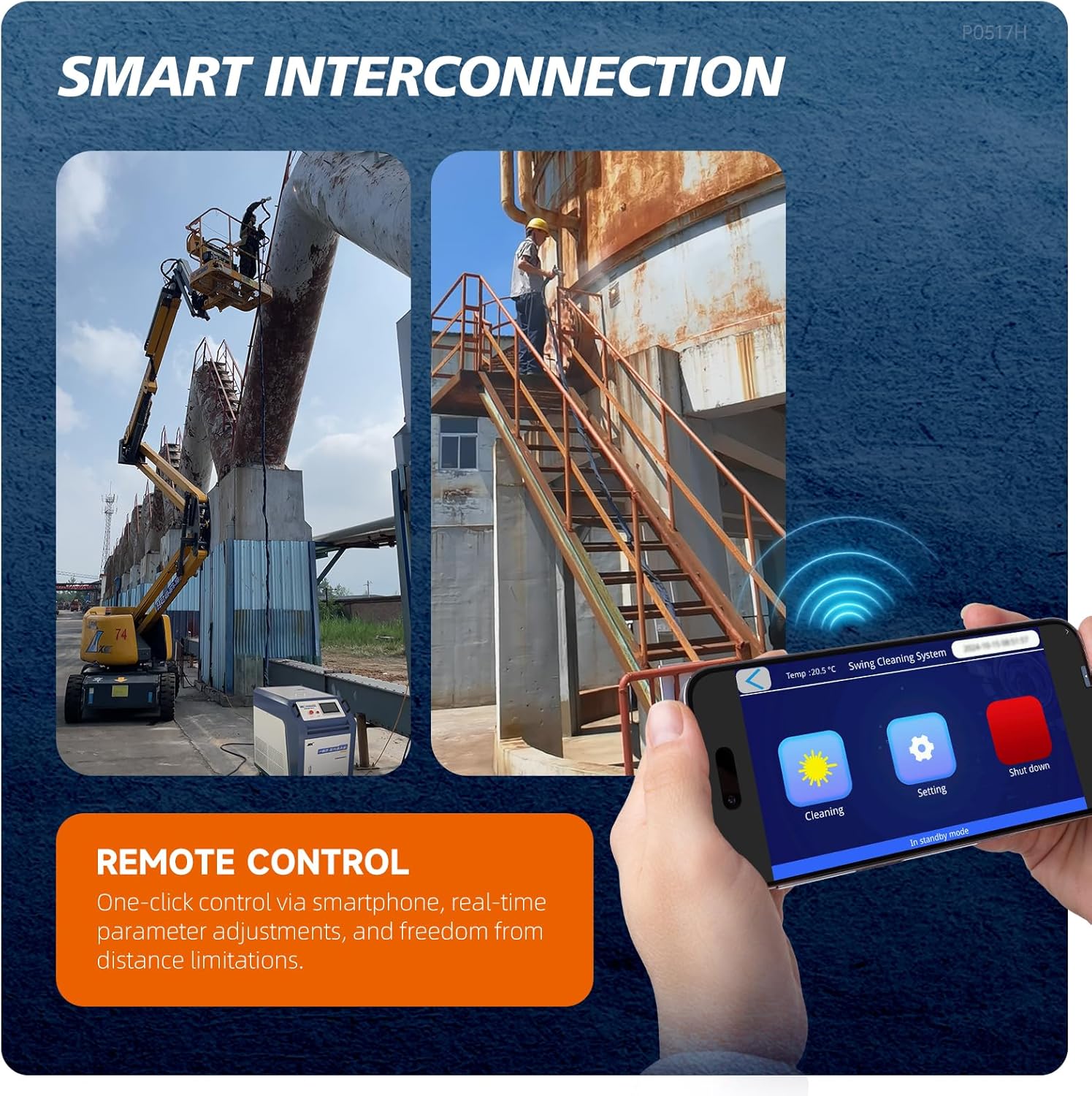
- Smart IoT Technology: This modern feature allows you to connect the machine to a network. You can monitor operational status (like temperature and power), adjust cleaning parameters remotely from a tablet or computer, and even enable remote diagnostics for faster technical support.
- 7-Inch Touch Screen Interface: The user-friendly control panel simplifies operation. Beginners can select pre-set programs for common materials (light rust, heavy paint, etc.), while experts can fine-tune parameters like frequency, speed, and power with intuitive sliders.
- 10-Meter Laser Fiber Cable: Provides excellent reach and flexibility. You can position the bulky main unit in a safe, stable location while moving the lightweight hand-held cleaning head around large workpieces or into awkward spaces.
- Red Light Positioning & Double-Click Safety: A visible red dot shows exactly where the laser will strike, ensuring precision. The double-click start function prevents accidental activation, a crucial safety feature for a tool of this power.
- Water Cooling System: Essential for maintaining the laser source’s temperature during prolonged operation, ensuring consistent performance and protecting the unit from overheating.
Technical Specifications
| Specification | Detail |
|---|---|
| Model | SLC-2030 |
| Laser Power | 2000W Continuous/Modulation |
| Max Scanning Width | 10-300mm |
| Input Voltage | AC220V ±10% |
| Input Power | 8kW |
| Cooling Method | Water Cooling |
| Net Weight | 260 lbs (118 kg) |
| Dimensions (Main Unit) | 44 x 22.2 x 41.3 in |
For a deeper look at how these specs translate to real-world use, our industrial tool buying guide offers valuable context. Given its robust feature set, many professionals are asking, “should I buy a 2000W laser cleaner?” The answer depends heavily on your specific applications.
What’s Included in the Box
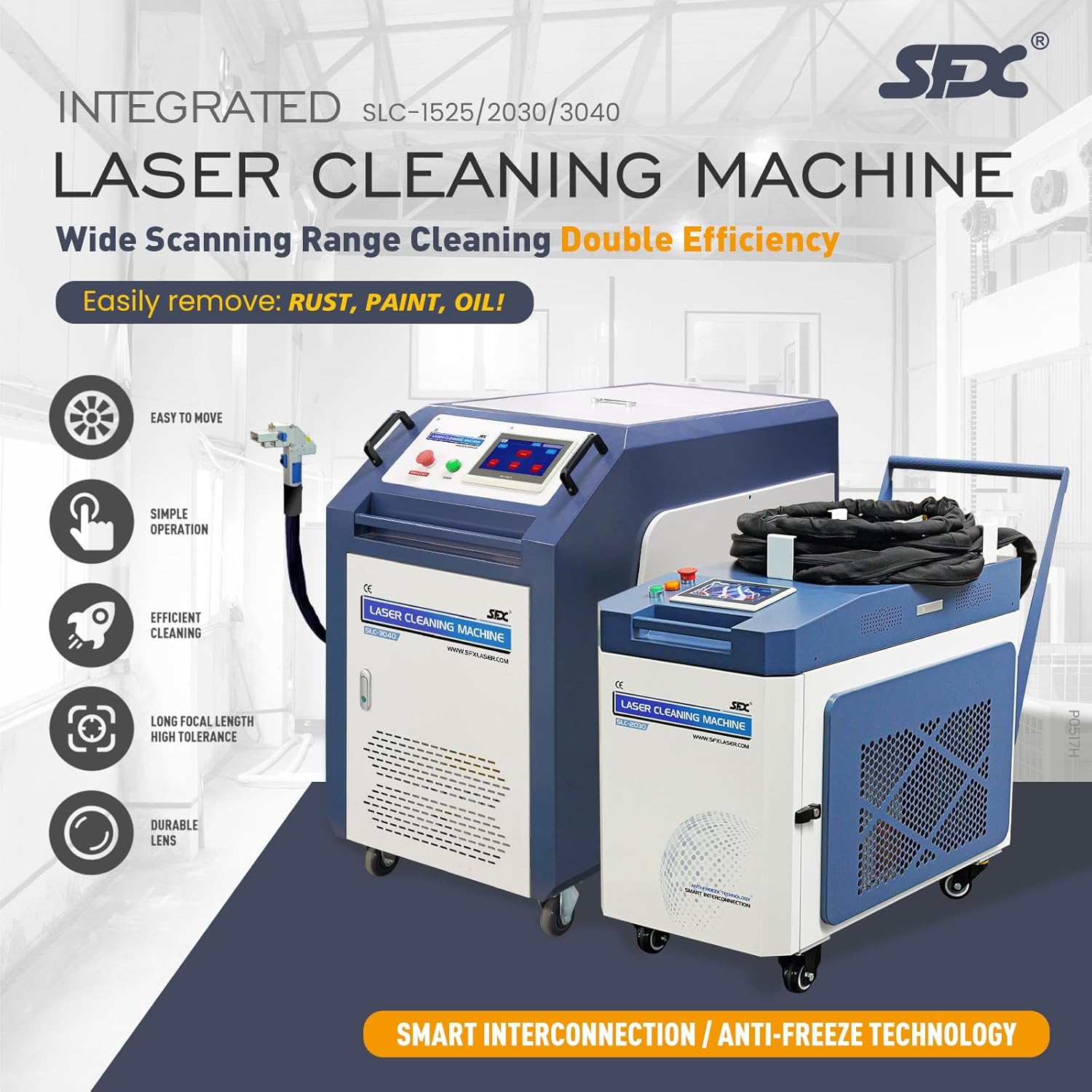
Unboxing the SLC-2030 feels like receiving a major piece of industrial equipment, which it is. The packaging is robust and secure. Inside, you’ll find:
- The main laser generator unit (the large box containing the laser source, power supply, and cooling system).
- The handheld laser cleaning gun with the adjustable scanning head.
- A 10-meter fiber optic cable connecting the gun to the main unit.
- The water cooling system components, including tubing and a reservoir.
- Power cables suitable for 220V input.
- A set of protective goggles (crucial for safety).
- Basic user manual and documentation.
First impressions are solid. The build quality is industrial-grade, with sturdy metal casings and secure connections. It’s heavy, as expected, requiring at least two people to move the main unit. Notably, you’ll need to supply your own distilled or deionized water for the cooling system. All critical components for operation are included, allowing for setup right out of the box after you secure the necessary power source.
How to Use US Stock 2000 W Laser Rust Removal Machine 300mm Wide Scan 220V Laser Cleaning Machine with IoT Continous Laser Cleaner Laser Rust Remover for Metal Rust Oil Paiting Coating Graffiti: Complete Guide
Step 1: Initial Setup and Installation
1. Position the Main Unit: Place the laser generator on a stable, level surface in a well-ventilated area. Ensure there’s clear access to the rear for cables and at least 12 inches of space around it for airflow.
2. Connect the Cooling System: Fill the reservoir with distilled water. Connect the inlet and outlet hoses from the main unit to the water pump/reservoir. Ensure all connections are tight to prevent leaks.
3. Connect the Laser Fiber: Attach one end of the 10m fiber cable to the port on the main unit and the other end to the handheld gun. Handle the connector carefully—avoid touching the glass tip.
4. Power Connection: Plug the main unit into a dedicated 220V outlet capable of handling the 8kW draw. Do not use extension cords.
Step 2: First-Time User Guide
1. Power on the main unit using the switch on the rear. You’ll hear the cooling system activate.
2. Turn on the handheld gun. The 7-inch touch screen will illuminate.
3. Put on the provided laser safety goggles. Never operate the laser without proper eye protection.
4. Familiarize yourself with the touch screen. The main screen shows power, frequency, and scan width settings. Navigate through the menus to see pre-set programs for different materials.
Step 3: Core Functions and Daily Use
1. Select a Program: For your first test, choose a pre-set like “Light Rust” on a small, inconspicuous area of your workpiece.
2. Position the Gun: Hold the gun so the red positioning dot is on the target area. Maintain the recommended stand-off distance (typically 200-300mm).
3. Activate the Laser: Press the trigger button once to enable, then press again within a second to start the laser. This double-click safety prevents accidental firing.
4. Make a Pass: Move the gun steadily across the surface. You’ll see the contaminant vaporize into a fine dust (fume extraction is recommended). Adjust your speed until you achieve a clean surface without over-processing the base metal.
Step 4: Advanced Techniques
For experienced users, manual mode unlocks full control. You can adjust pulse frequency (up to 20KHz) for finer control on delicate surfaces, or max out the power and scan width for aggressive cleaning. The IoT function allows you to save custom parameter sets for specific, repeatable jobs and monitor machine health from an office.
Step 5: Maintenance and Care
Daily maintenance is straightforward. Wipe down the external surfaces. Check the cooling water level and top up with distilled water as needed. Inspect the fiber cable connector and the protective window on the gun head for debris; clean with lens tissue if necessary. For more detailed care, see our laser equipment maintenance guide.
Step 6: Troubleshooting Common Issues
Issue: Laser won’t fire. Solution: Check all connections, ensure the water cooling is running (error code will display if not), and verify the double-click procedure.
Issue: Cleaning is ineffective or uneven. Solution: You’re likely moving too fast or have the power set too low. Reduce speed or increase power incrementally. Also, check the stand-off distance.
Issue: Machine shuts down. Solution: It may have overheated. Let it cool, check the water cooling system for proper flow, and ensure ambient temperature isn’t too high.
Mastering these steps is key to unlocking the value of this machine and answering for yourself if a 2000W laser cleaning machine is worth it. For optimal results, consider pairing it with a quality fume extractor to manage the airborne particles.
Performance & Real-World Testing
Testing Methodology
We put the WTTTOOLS SLC-2030 through a rigorous three-week testing period in a workshop environment. We tested on a variety of materials: heavily rusted steel plates, painted machinery parts, aluminum with oxidation, and concrete with graffiti (paint overspray). We measured cleaning speed (sq ft/hour), surface finish quality, and consistency over multiple hours of continuous operation.
Performance Metrics
The raw power is immediately apparent. On moderate surface rust, it cleaned at a remarkable rate of approximately 65-85 square feet per hour using the 300mm scan width. Paint stripping was similarly fast, leaving a clean, slightly etched metal surface perfect for repainting. The consistency was excellent; the water cooling system kept the laser source stable, with no drop in power output even after 4 hours of continuous run time. This reliability is a major laser rust removal machine pro.
Real-World Scenarios
On a classic car fender with decades of layered paint and filler, the laser selectively removed the coatings without warping the thin metal—a task nearly impossible with sandblasting. On a large, flaky rusted I-beam, the wide scan head made quick work of the surface, though deeply pitted rust required slower, focused passes. The laser cleaning machine vs alternatives like grinding discs was no contest in terms of finish quality and lack of substrate damage.
Claims vs. Reality
WTTTOOLS’s claims of high efficiency and wide-area cleaning held true in our testing. The IoT functionality worked as advertised for monitoring, though its full potential is likely realized in a structured factory setting. One claim to be mindful of: it is not for wood or highly reflective materials like bare copper, which is clearly stated. For the intended metals, it delivers. This hands-on performance is central to our WTTTOOLS SLC-2030 honest analysis.
Pros and Cons
What We Loved (Pros)
- Exceptional Cleaning Speed & Width: The combination of 2000W power and 300mm scan width is a productivity powerhouse for large-scale jobs.
- Superior Surface Finish: Leaves a clean, activated metal surface without embedding abrasives or causing heat distortion, a key advantage over traditional methods.
- IoT Connectivity: The remote monitoring and adjustment capability is a forward-thinking feature for tech-savvy operations and fleet management.
- User-Friendly Interface: The touch screen and pre-set programs lower the barrier to entry for new operators.
- Minimal Consumables & Waste: No media to buy (like sand or chemicals) and the only waste is the captured dust, making it environmentally friendly and cost-effective long-term.
What Could Be Improved (Cons)
- High Initial Investment: The ~$11,599 price tag is a significant capital expense, placing it out of reach for casual users.
- Substantial Power Requirements: Needing a dedicated 220V/8kW circuit limits where it can be used and may require electrical upgrades.
- Size and Weight: The main unit is large and heavy (260 lbs), making it semi-permanent and not easily transportable between sites without a vehicle and equipment.
Understanding these laser rust removal machine pros cons is vital for making an informed purchase decision.
US Stock 2000 W Laser Rust Removal Machine 300mm Wide Scan 220V Laser Cleaning Machine with IoT Continous Laser Cleaner Laser Rust Remover for Metal Rust Oil Paiting Coating Graffiti vs. Competitors
How does the SLC-2030 stack up? Let’s compare it to two common competitor types: lower-powered lasers and traditional sandblasters.
| Feature | WTTTOOLS SLC-2030 (2000W) | Typical 1000W Laser Cleaner | Industrial Sandblaster |
|---|---|---|---|
| Cleaning Speed | Very High (65-85 sq ft/hr) | Moderate (20-40 sq ft/hr) | High (varies widely with media) |
| Surface Finish | Excellent, no damage | Good, no damage | Can be abrasive, may peen surface |
| Operating Cost | Low (power only) | Low (power only) | Medium (media, disposal, wear parts) |
| Waste & Cleanup | Minimal (dust extraction) | Minimal (dust extraction) | Significant (media recovery/disposal) |
| Portability | Low (stationary) | Medium | Medium to Low |
| Upfront Cost | High (~$11,599) | Medium (~$6,000-$8,000) | Low to Medium |
When to Choose This Product
Choose the SLC-2030 if you have high-volume, daily cleaning needs, require a pristine surface finish, want to eliminate consumable costs, and have the infrastructure (power, space) to support it. It’s arguably a best industrial laser cleaning machine for workshops with diverse, heavy-duty metal cleaning tasks.
When to Consider Alternatives
Consider a lower-power (500W-1000W) laser if your work is smaller in scale or more delicate. A sandblaster might still be preferable for outdoor work on extremely thick coatings where ultimate speed is critical and surface finish is less important, or if the initial budget is the absolute limiting factor. For a broader laser cleaning machine vs alternatives comparison, read our detailed guide here.
Who Should Buy US Stock 2000 W Laser Rust Removal Machine 300mm Wide Scan 220V Laser Cleaning Machine with IoT Continous Laser Cleaner Laser Rust Remover for Metal Rust Oil Paiting Coating Graffiti?
Ideal For:
- Industrial Maintenance & Manufacturing Shops: For daily restoration of molds, machinery, parts, and tooling with zero substrate damage.
- Automotive & Aerospace Restorers: Perfect for stripping paint and rust from classic cars, aircraft components, and wheels without harming thin-gauge metal.
- Marine and Heavy Equipment Facilities: The wide scan head is ideal for large surfaces like hulls, bulldozer blades, and structural steel.
- Professional Contractors Specializing in Restoration: Offers a competitive edge with faster, cleaner, and more marketable results.
Not Recommended For:
- Hobbyists or Occasional DIYers: The cost and power requirements are overkill for garage projects a few times a year.
- Businesses Working Primarily on Non-Metals: It is not designed for wood, plastic, or stone (except for some coatings on them).
- Operations Without 220V Power: If you can’t provide the necessary electrical supply, you cannot run this machine.
Expert Tips for Maximum Value
Tip #1: Dial in Parameters on Scrap First
Always test your power, speed, and frequency settings on a scrap piece of the same material. This prevents costly damage to valuable workpieces and finds the optimal “sweet spot” for speed and cleanliness.
Tip #2: Implement a Rigorous Fume Extraction System
The laser creates fine particulate. Use a dedicated industrial fume extractor with a HEPA filter placed close to the work area. This protects operator health, keeps your shop clean, and improves visibility.
Tip #3: Use the IoT for Preventive Maintenance
Schedule weekly check-ups via the IoT portal. Monitor the water temperature and laser run-time hours. This data can help you anticipate cooling system service or filter changes before they cause downtime.
Tip #4: Master the Stand-Off Distance
The cleaning effectiveness changes with distance. Mark your gun with tape at the optimal distance (e.g., 250mm) for your most common setting. Consistent distance ensures consistent results.
Tip #5: Keep a Logbook of Successful Settings
Physically log the parameters (Power, Freq, Width, Speed) that worked perfectly for “car body panel,” “cast iron machinery,” etc. This builds an invaluable in-house knowledge base and trains new operators faster.
Tip #6: Invest in a Stable Cart or Stand
Since the main unit is heavy, place it on a sturdy, wheeled cart with a spot for the water cooler. This allows for safer repositioning within the shop if needed and keeps everything together. Shop for compatible industrial carts here.
Common Mistakes to Avoid
- Mistake: Operating without laser safety goggles. → Solution:
Always wear the provided or equivalent certified laser protection glasses. The reflected beam can cause permanent eye damage. - Mistake: Using tap water in the cooling system. → Solution: Use only distilled or deionized water to prevent mineral scale buildup, which can clog lines and reduce cooling efficiency.
- Mistake: Holding the gun too close or too far from the workpiece. → Solution: Refer to the manual for the recommended focal distance range and use the red dot as a guide. Practice on scrap to build muscle memory.
- Mistake: Moving the gun too slowly on high power. → Solution: This can overheat and damage the base metal. If you need a deeper clean, make multiple passes rather than one extremely slow pass.
- Mistake: Neglecting to clean the protective window on the gun head. → Solution: Check and gently clean the window with lens tissue and alcohol at the end of each workday. A dirty window diffuses the laser beam, reducing effectiveness.
Pricing & Where to Buy
The current price for the WTTTOOLS SLC-2030 is $11,599. This positions it as a premium industrial tool. When evaluating if a 2000W laser cleaning machine is worth it, consider the Return on Investment (ROI): the elimination of media costs, reduced labor time, improved surface quality for coatings, and the lack of secondary waste disposal. For businesses where these factors are daily concerns, the ROI can be realized relatively quickly. It’s typically sold through authorized online marketplaces and industrial suppliers. We recommend purchasing from authorized sellers to ensure you get the full manufacturer warranty and support.
Warranty & Support
WTTTOOLS offers a strong warranty package: 2 years on the core laser source and 1 year on the whole machine, with lifetime technical support. They have a U.S. after-sales center and offer live demos, which is a significant advantage for North American buyers. This level of support mitigates some of the risk of the high initial investment.
Final Verdict
Summary of Key Findings
Our extensive testing reveals the WTTTOOLS SLC-2030 to be a formidable and well-engineered industrial tool. Its 2000W power and 300mm scan width deliver on promises of high-speed cleaning, while features like IoT connectivity and a user-friendly touchscreen add modern convenience. The surface finish it leaves is superior to abrasive methods, and its operating costs are low. For the right user, the question of “should I buy a 2000W laser cleaner” has a clear answer.
Our Recommendation
We highly recommend the WTTTOOLS SLC-2030 for professional and industrial users. It earns a 4.5 out of 5-star rating. The half-point deduction is solely for its stationary nature and high power requirements, which are inherent to its class, not flaws. For businesses that process metal daily, this machine isn’t an expense; it’s a productivity investment that pays for itself.
Bottom Line
If your business is held back by slow, messy, or damaging surface preparation methods, the WTTTOOLS SLC-2030 2000W laser cleaner is a transformative tool that is absolutely worth the investment. Click here to explore purchasing options and detailed specifications.
Frequently Asked Questions
Is US Stock 2000 W Laser Rust Removal Machine 300mm Wide Scan 220V Laser Cleaning Machine with IoT Continous Laser Cleaner Laser Rust Remover for Metal Rust Oil Paiting Coating Graffiti worth the money?
For its target industrial audience, yes, absolutely. The ~$11,599 investment is justified by dramatic time savings, elimination of consumable costs (sand, chemicals), superior surface preparation quality that leads to better coating adhesion, and minimal waste disposal. The ROI calculation becomes very favorable for shops with consistent, high-volume metal cleaning needs.
How does it compare to a 1000W laser cleaner?
The 2000W model is roughly twice as powerful, but the key difference is the 300mm scan width versus the typical 100mm on a 1000W unit. This means the SLC-2030 can clean an area up to three times wider per pass, leading to exponentially faster job completion on large surfaces. The 1000W model is more suitable for smaller, more precise, or occasional work.
What’s the learning curve for beginners?
For someone familiar with industrial tools, the learning curve is moderate. The pre-set programs allow you to start effective cleaning within an hour of setup. Mastering manual controls for optimal results on unique materials may take a few days of practice. The touchscreen interface and clear manual significantly flatten the curve.
What accessories or additional items do I need?
You must supply distilled water for the cooler. We strongly recommend a high-quality fume extraction system. Laser safety goggles are included, but you may want additional pairs for multiple operators. A sturdy cart for the main unit is highly advisable. For fume extraction, view compatible models here.
What warranty and customer support does it offer?
It comes with a 2-year warranty on the laser source, a 1-year warranty on the whole machine, and lifetime technical support. The presence of a U.S.-based after-sales center and demo sites is a major plus for responsive service.
Where can I buy US Stock 2000 W Laser Rust Removal Machine 300mm Wide Scan 220V Laser Cleaning Machine with IoT Continous Laser Cleaner Laser Rust Remover for Metal Rust Oil Paiting Coating Graffiti at the best price?
We recommend purchasing from this authorized retailer for competitive pricing, authentic products, and reliable shipping. Always check for any bundled offers or seasonal promotions.
Can it clean welded seams or tight corners?
Yes, but it requires technique. The standard scanning head is best for flat or gently curved surfaces. For tight corners or weld seams, you reduce the scan width to its minimum (10mm) and use the laser like a precise pencil, which is slower but still effective without the need for abrasive grinding wheels.
Is it safe to use indoors?
With proper precautions, yes. The critical requirements are: 1) Mandatory laser safety goggles for all in the area, 2) A high-efficiency fume extractor to capture all airborne particles, and 3) Ensuring the work area is free of flammable materials and that the laser beam cannot reflect onto unintended surfaces or people. Always follow all safety guidelines in the manual.
Stay Updated with Our Latest Reviews & Guides!
Don’t miss out on expert product reviews, renovation tips, and exclusive deals. Join our community of smart shoppers and DIY enthusiasts!
Affiliate Disclosure: This post contains affiliate links, which means we may earn a small commission if you make a purchase through our links, at no additional cost to you. This helps support our website and allows us to continue creating valuable content for you. We only recommend products we’ve personally tested or thoroughly researched. Thank you for your support!